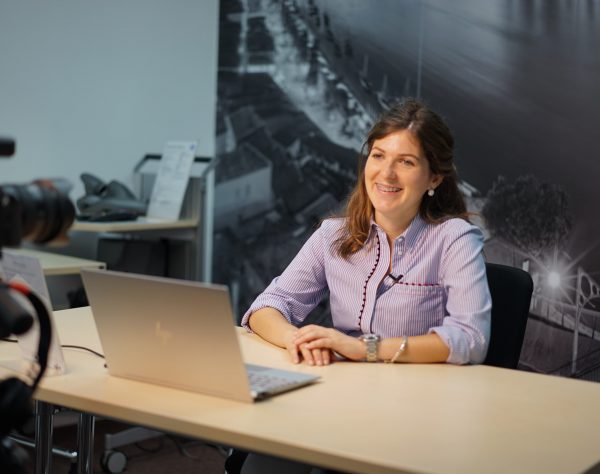
CLOO no TEDxPorto 2018
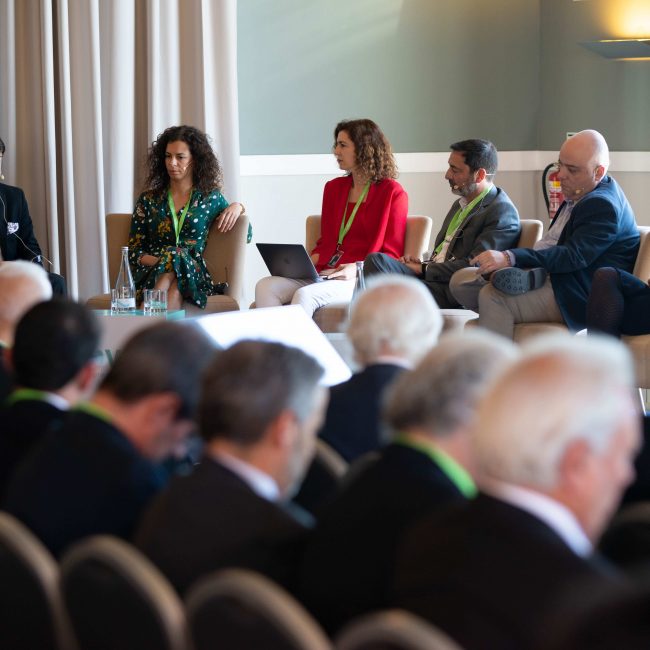
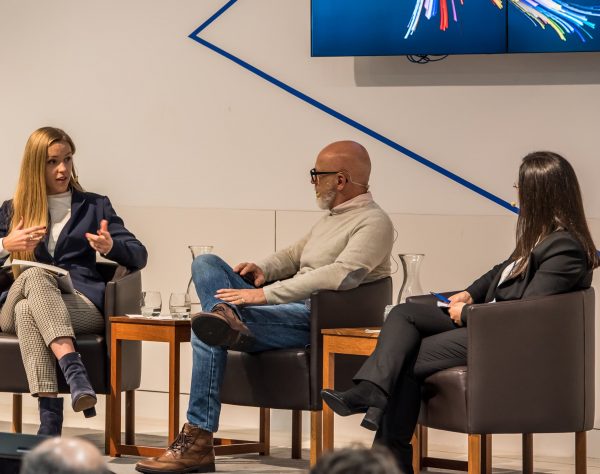
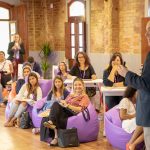
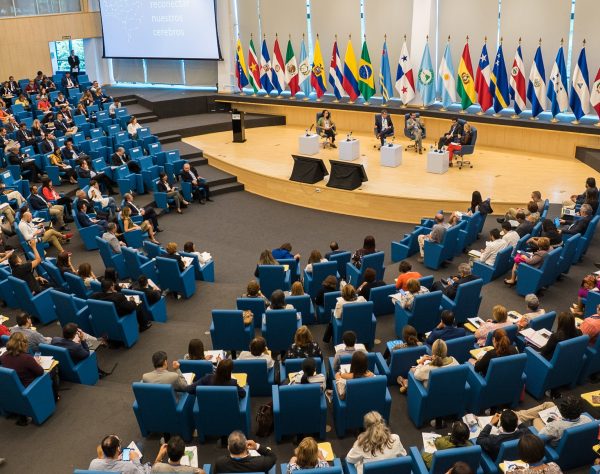
No passado dia 13 de abril de 2018, a CLOO marcou presença na edição deste ano do TEDxPorto com o workshop “Decisão — como podemos fazer melhor?”
Em linha com a pergunta “É natural?”, que marcou esta edição do TEDxPorto, mostrámos porque é natural tomarmos decisões que nem sempre vão ao encontro dos nossos objetivos, mesmo tendo intenções firmes de os alcançar e informação e recursos suficientes para tal. Porque é que gastamos mais e poupamos menos do que desejaríamos? Porque é tão difícil sermos fiéis à nossa dieta quando vemos aquele doce na café? Porque é que certas políticas organizacionais não conseguem alterar o comportamento dos seus colaboradores?
Através da apresentação de exemplos e de exercícios práticos, mostrámos como as nossas características cognitivas naturais e os aspectos contextuais influenciam fortemente as nossas decisões de consumo e alimentação, bem como a eficácia comportamental de políticas organizacionais. Mas não mostrámos apenas o porquê. Mostrámos também como podemos decidir melhor, não mudando quem naturalmente somos, mas alterando aspetos dos contextos onde nos encontramos.